GoStudent Future of Education Report 2026

Are schools keeping up with a changing world?

We asked 3,001 parents, 3,001 children and 300 teachers across six European countries how AI, technology and changing expectations are reshaping education.

  • 6,302Parents, children and teachers surveyed
  • 6 CountriesAustria, Germany, Spain, France, Italy and the UK
  • 3 ChaptersFrom Generation Alpha to the school of the future

Three audiences, three chapters

What the numbers show

One headline finding for each audience, from our survey of parents, children and teachers in six European countries. Click + on any card to find out more.

50%

50%

of students have used AI for a personal problem in the past month

Only 28% of parents are aware their child is turning to AI for emotional support. Generation Alpha has quietly found a new confidant, and most families haven’t caught up.

Chapter 1

Meet Generation Alpha
62%

62%

of parents say their child has handed in AI-generated work as their own

Two-thirds (68%) of students who use AI for schoolwork admit doing it. Yet only 50% of parents feel confident supervising their children’s AI use at home, down from 61% last year.

Chapter 2

Who’s really in charge of AI in education?

36%

36%

of teachers say children aren’t prepared for life outside school

70% of parents are satisfied with their child’s education, but only 45% say it prepares them for life outside school. Satisfaction is not the same as readiness.

Chapter 3

The school of the future

Chapter 1

Meet Generation Alpha

~2 billion people. The first generation raised on AI.

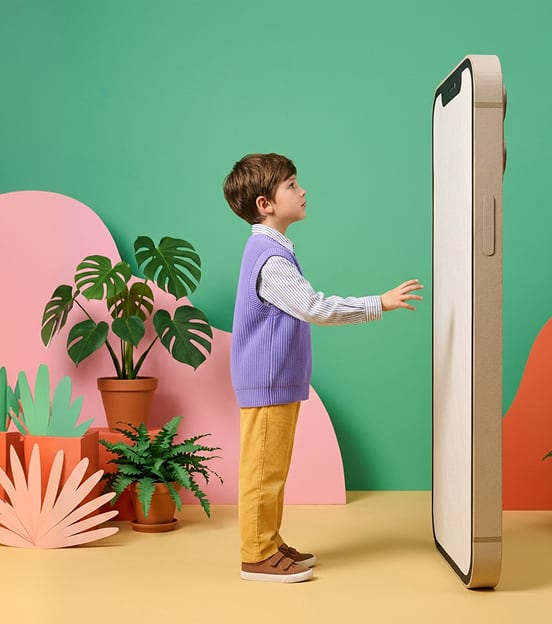
A boy reaching out to touch a giant smartphone

1. Values & worldview

Who are Generation Alpha, really?

Generation Alpha are the first generation born entirely in the 21st century: the largest generation in human history, and the most digitally native. They’re already leaning on AI in ways most parents haven’t clocked.

50%

prioritise wellbeing over academic achievement

77%

of students believe hard work pays off, whatever their background

54%

of young people look forward to a bright future, some with reservations

2. Trust

Children trust their parents more than search and social media

Who would young people trust to check a fact?

% of students naming each source

  • 51%Parent
  • 15%Search engine
  • 10%AI tool
  • 10%Teacher
  • 4%Social media

Does hard work pay off?

% who believe it (students) or think young people do (adults)

Students
77%
Parents
42%
Teachers
41%
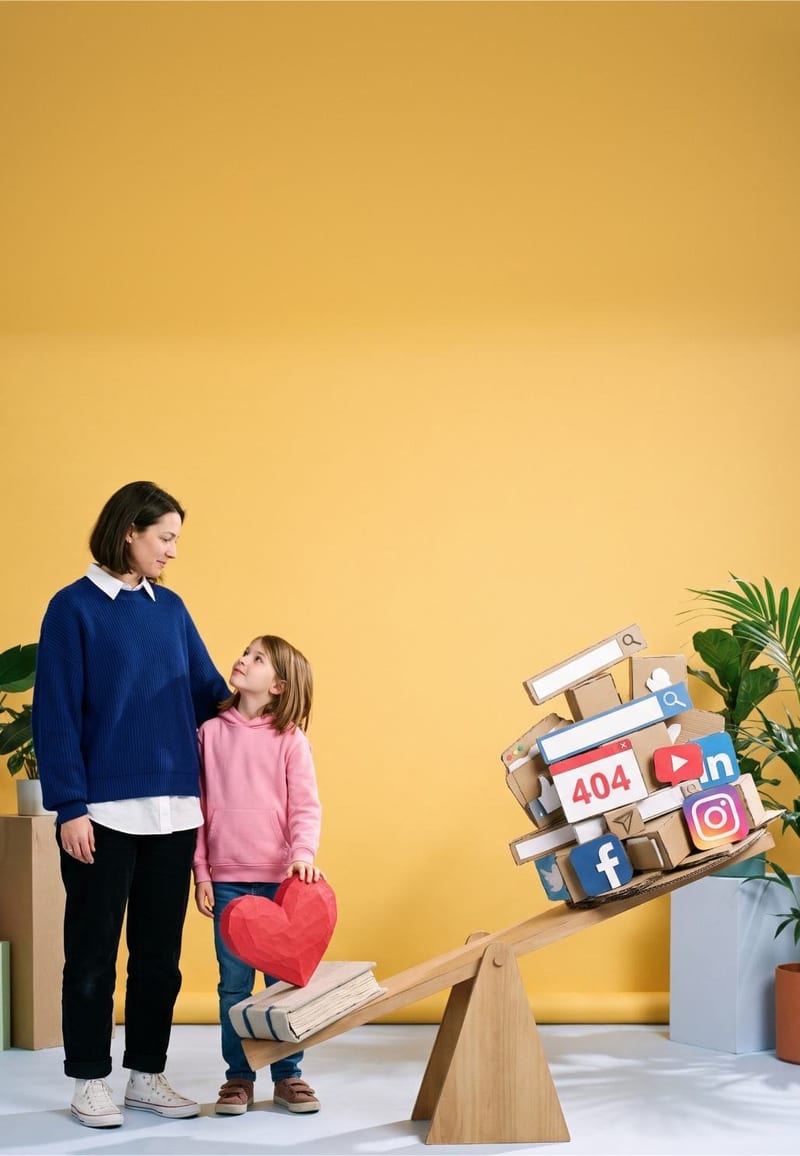
A parent and child standing next to a tilting pile of social media icons

67%

of young people choose a human source

30%

of young people choose a technology source

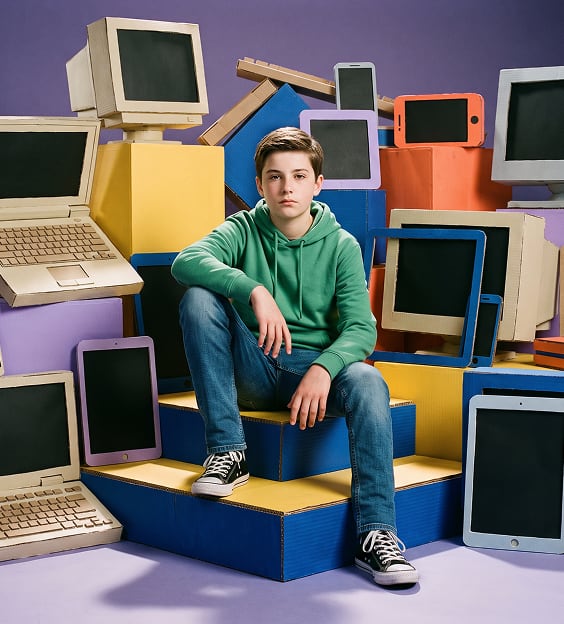
A teenager sitting among stacked laptops, tablets and phones

3. Screens & phones

Parents worry about screens, and Europe is split on phone bans

60%

of parents say their children spend too much time on devices, rising from 47% for 8-year-olds to 72% for 16-year-olds

52% of parents back an outright smartphone ban in schools

% of parents, by market

  • AVG: 52%
  • AT: 52%
  • DE: 39%
  • ES: 63%
  • FR: 58%
  • IT: 60%
  • UK: 41%

4. In the classroom

Teachers see learning slipping, and back limits on social media

Almost2/3

of teachers say today's students concentrate worse than those they taught five years ago

Teachers say these skills have worsened

% of teachers

Reading comprehension

50%

Handwriting quality

50%

Maths ability

42%

The UK is a brighter spot: just 20% of teachers there report a decline in reading.

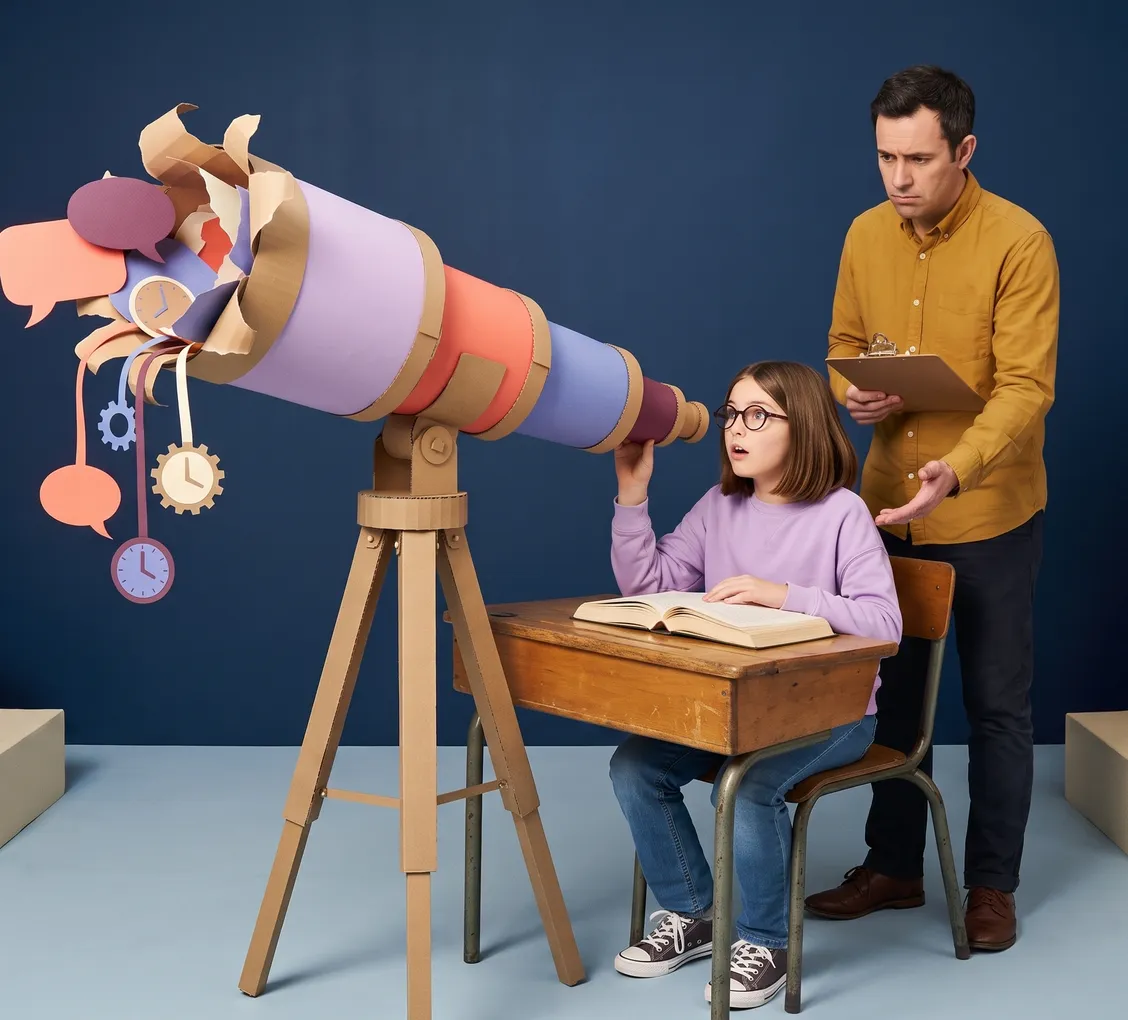
A girl peers through a paper telescope overflowing with clocks and speech bubbles as her teacher looks on

82%

of teachers back restrictions on social media for children, from 76% to 86% across the six markets

5. AI natives

AI is part of growing up, and many parents don't know

50%

of students used AI for personal problems in the past month

28%

of parents are aware their child is doing so

Who sees AI as a risk?

% of each group describing AI as a risk

Students
8%
Parents
19%
Teachers
25%
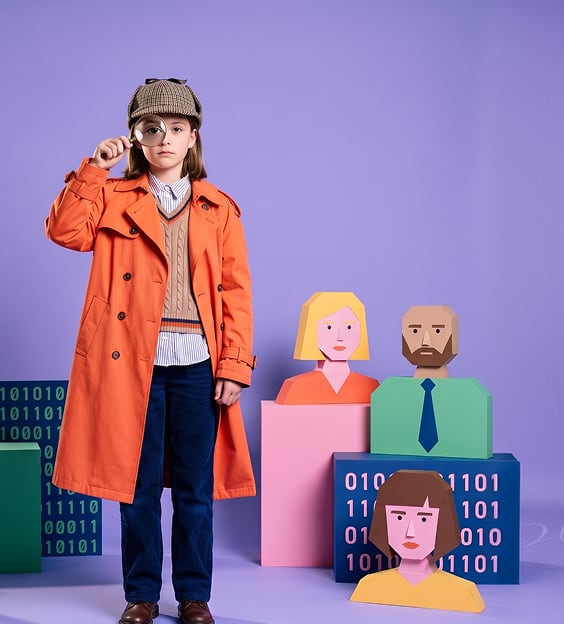
A young detective holding up a magnifying glass, surrounded by paper figures

54%

of students say they could spot a deepfake

42%

of parents say their child could.

Confidence is not the same as accuracy.

End of the chapter summary. Download the full report to obtain more details or continue reading next chapter’s highlights online.

Download full report
A teacher and two parents look up as a boy on a set of steps reaches for a paper star

Chapter 2

The AI Education Gap

43% of students have never been formally taught to use it.

Explore Chapter 2

1. Values & worldview

Who are Generation Alpha, really?

Generation Alpha are the most digitally native generation yet. They’re already leaning on AI in ways most parents haven’t clocked.

A boy reaching out to touch a giant smartphone

50%

prioritise wellbeing over academic achievement

77%

of students believe hard work pays off, whatever their background

54%

of young people look forward to a bright future, some with reservations

2. Trust & values

Children trust their parents, and still believe in hard work

Who would young people trust to check a fact?

% of students naming each source

  • 51%Parent
  • 15%Search engine
  • 10%AI tool
  • 10%Teacher
  • 4%Social media
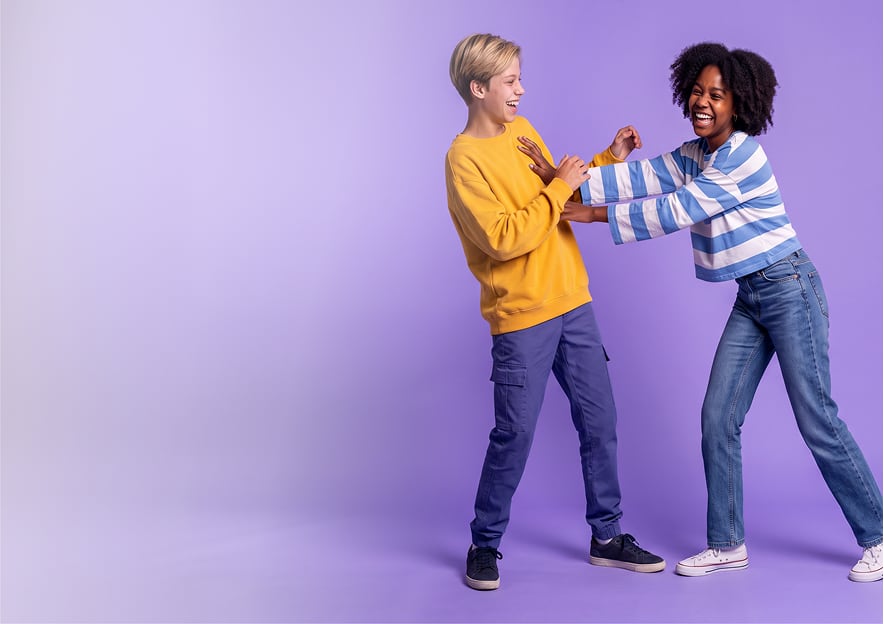
Two teenagers laughing as they play-fight

Does hard work pay off?

% who believe it, or think young people do

Students
77%
Parents
42%
Teachers
41%

3. Screens & phones

Parents worry about screens, and Europe is split on phone bans

60%

of parents say their children spend too much time on devices

52% back an outright smartphone ban in schools

% of parents, by market

  • AVG52%
  • AT52%
  • DE39%
  • ES63%
  • FR58%
  • IT60%
  • UK41%

4. In the classroom

Teachers see learning slipping, and back limits on social media

Almost2/3

of teachers say students concentrate worse than five years ago

A girl peers through a paper telescope overflowing with clocks and speech bubbles as her teacher looks on

Teachers say these skills have worsened

% of teachers saying skills have worsened

50%

Reading comprehension

50%

Handwriting quality

42%

Maths ability

82%

of teachers back restrictions on social media for children

5. AI natives

AI is part of growing up, and many parents don't know

50%

of students used AI for personal problems in the past month

28%

of parents are aware their child is doing so

Who sees AI as a risk?

% of each group describing AI as a risk

Students
8%
Parents
19%
Teachers
25%
A young detective holding up a magnifying glass, surrounded by paper figures

54% of students say they could spot a deepfake, 42% of parents say their child could.
Confidence is not the same as accuracy.

End of the chapter summary. Download the full report to obtain more details or continue reading next chapter’s highlights online.

Download the report
A teacher and two parents look up as a boy on a set of steps reaches for a paper star

Chapter 2

The AI Education Gap

43% of students have never been formally taught to use it.

Explore Chapter 2

Swipe to explore key findings

Chapter 2

Who’s really in charge of AI in education?

Four in ten students get no formal AI education. Parents and teachers each think they should lead.

A teacher, a child and two parents looking up at a paper star

1. Confidence

Teachers are catching up on AI, but parents are falling behind

2. Homework

AI is already part of the homework routine

Where students admit handing in AI work as their own

% of students who use AI for schoolwork

  • AVG68%
  • AT65%
  • DE75%
  • ES71%
  • FR69%
  • IT55%
  • UK73%
A man reaching up towards a wobbling tower of paper shapes

68%

of students who use AI for schoolwork admit handing in AI-generated work as their own

62%

of parents say their child has handed in AI-generated work as their own

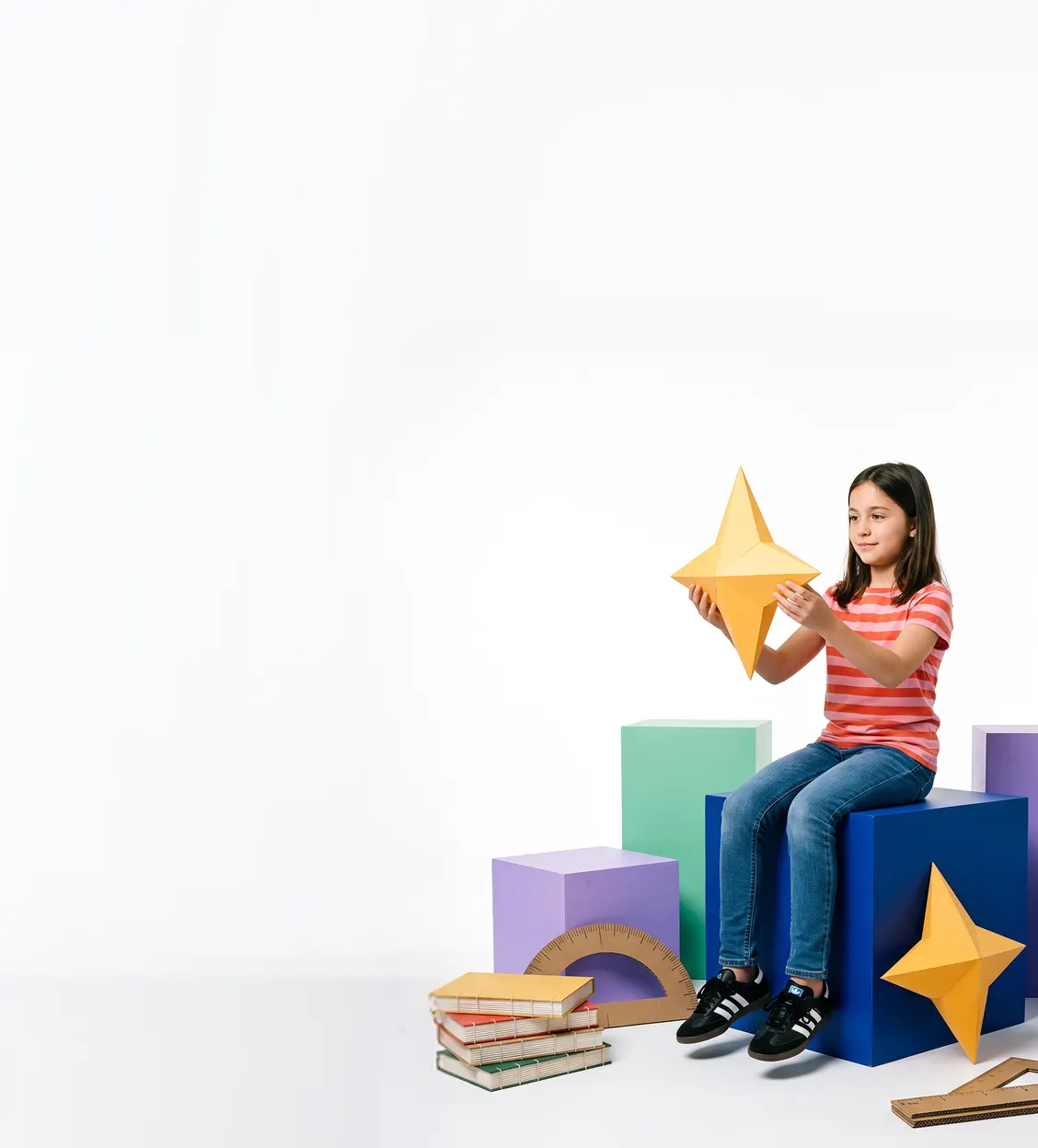
A girl sitting on blocks and holding a paper star

43%

of students have never been formally taught how to use AI tools

20%

say they have had a structured AI lesson

13%

of teachers say they teach nothing about AI

3. AI Lessons

Four in ten students get no formal AI education

What students are learning

% of students formally taught each topic

What AI is and how it works
39%
How to use AI responsibly
36%
Misinformation, deepfakes and risks
32%
How to identify AI-generated content
28%
AI’s effect on jobs and the future
27%
Using AI for homework or studying
25%
How to prompt effectively
21%

4. Who Should Lead

Teachers and parents both believe they should lead on AI

Who should be responsible?

% of parents and % of teachers naming each group

Parents

Parents say: 36%
Teachers say: 26%

Schools

Parents say: 29%
Teachers say: 45%

Tech. companies

Parents say: 9%
Teachers say: 13%

Government

Parents say: 6%
Teachers say: 10%

Germany is split: 48% of teachers say parents should lead, and 47% of parents agree. In the UK, both groups say schools.

A parent and a teacher in a tug of war over a paper star

Is government doing enough to set AI rules for schools?

37%

of parents say yes

25%

of teachers say yes

A teacher standing in a maze of pink, green and purple walls

31%

of teachers say the current rules on AI in schools are clear

25%

see AI largely as a risk

57%

think AI can help children with additional learning needs

5. Teachers & AI

Most teachers use AI, but the rules are unclear

86%

of teachers use AI in their professional work

What teachers use AI for

% of teachers

Creating worksheets, quizzes, materials
51%
Administrative tasks (emails or reports)
39%
Lesson planning
37%
Writing feedback for students
17%
Marking or grading student work
12%
Do not currently use AI professionally
14%

End of the chapter summary. Download the full report to obtain more details or continue reading next chapter’s highlights online.

Download the report
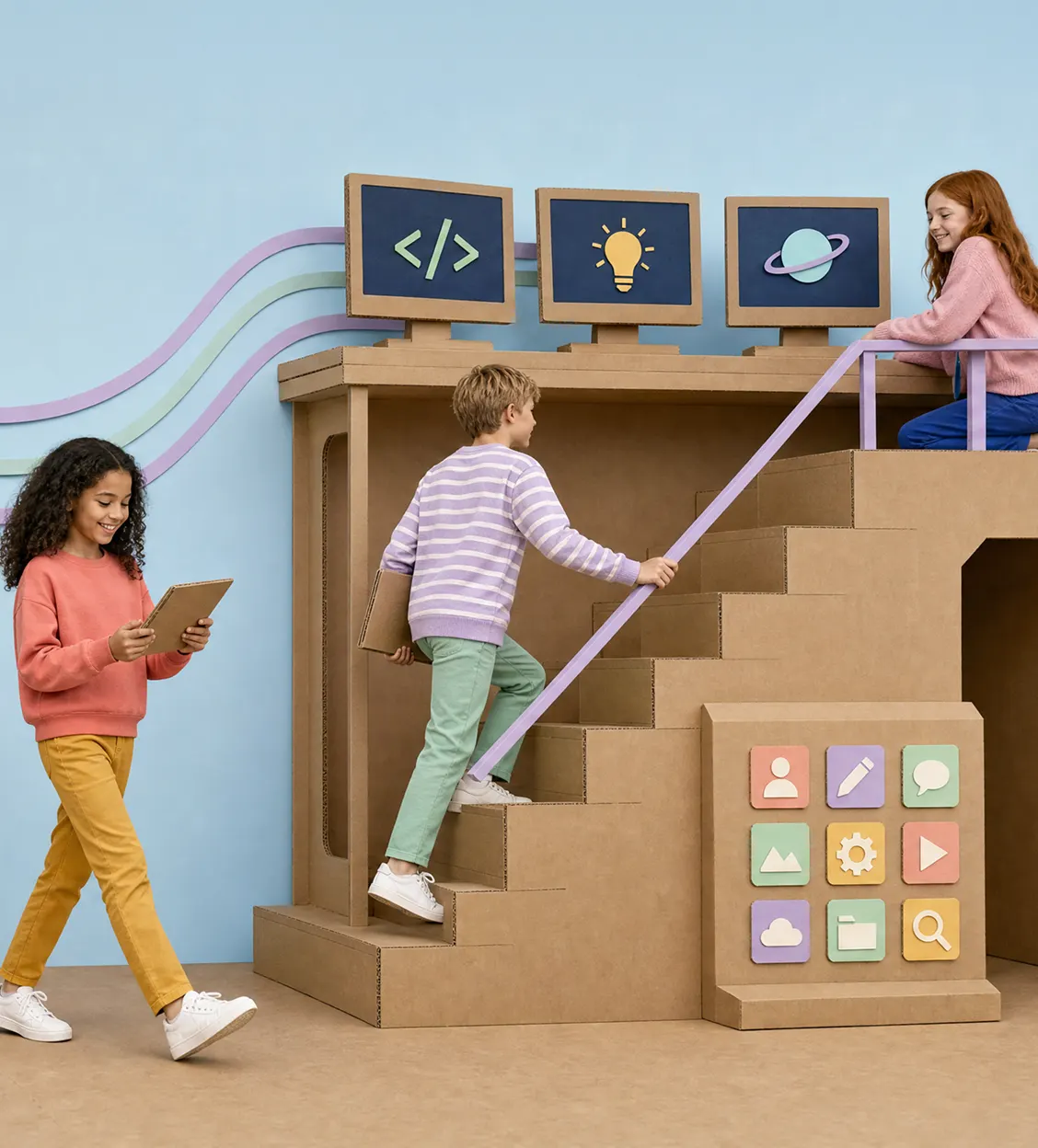
Three children playing around a cardboard classroom with computer screens

Chapter 3

The school of the future

Only 45% of parents say school prepares their child for life.

Explore Chapter 3

1. Confidence

Teachers are catching up on AI, but parents are falling behind

A teacher, a child and two parents looking up at a paper star

2. Homework

AI is already part of the homework routine

68%

of students who use AI for schoolwork admit handing in AI work as their own

62%

of parents say their child has handed in AI work as their own

Where students admit handing in AI work as their own

% of students who use AI for schoolwork

  • AVG68%
  • AT65%
  • DE75%
  • ES71%
  • FR69%
  • IT55%
  • UK73%

3. AI Lessons

Four in ten students get no formal AI education

43%

of students have never been formally taught how to use AI tools

20%

say they have had a structured AI lesson

What students are learning

% of students formally taught each topic

What AI is and how it works
39%
How to use AI responsibly
36%
Misinformation, deepfakes and risks
32%
How to identify AI-generated content
28%
AI’s effect on jobs and the future
27%
Using AI for homework or studying
25%
How to prompt effectively
21%

4. Who Should Lead

Teachers and parents both believe they should lead on AI

Who should be responsible?

% of parents and % of teachers naming each group

Parents

Parents say: 36%
Teachers say: 26%

Schools

Parents say: 29%
Teachers say: 45%

Tech. companies

Parents say: 9%
Teachers say: 13%

Government

Parents say: 6%
Teachers say: 10%
A parent and a teacher in a tug of war over a paper star

Only 37% of parents and 25% of teachers say the government is doing enough to set AI rules.

5. Teachers & AI

Most teachers use AI, but the rules are unclear

86%

of teachers use AI in their professional work

31%

say the current rules on AI in schools are clear

57%

think AI can help children with additional learning needs

What teachers use AI for

% of teachers

Creating worksheets, quizzes, materials
51%
Administrative tasks (emails or reports)
39%
Lesson planning
37%
Writing feedback for students
17%
Marking or grading student work
12%

14% of teachers do not currently use AI professionally.

End of the chapter summary. Download the full report to obtain more details or continue reading next chapter’s highlights online.

Download the report
Three children playing around a cardboard classroom with computer screens

Chapter 3

The school of the future

Only 45% of parents say school prepares their child for life.

Explore Chapter 3

Swipe to explore key findings

Chapter 3

The school of the future

Parents are satisfied with school, but only 45% say it prepares their child for life. Teachers now see themselves as mentors.

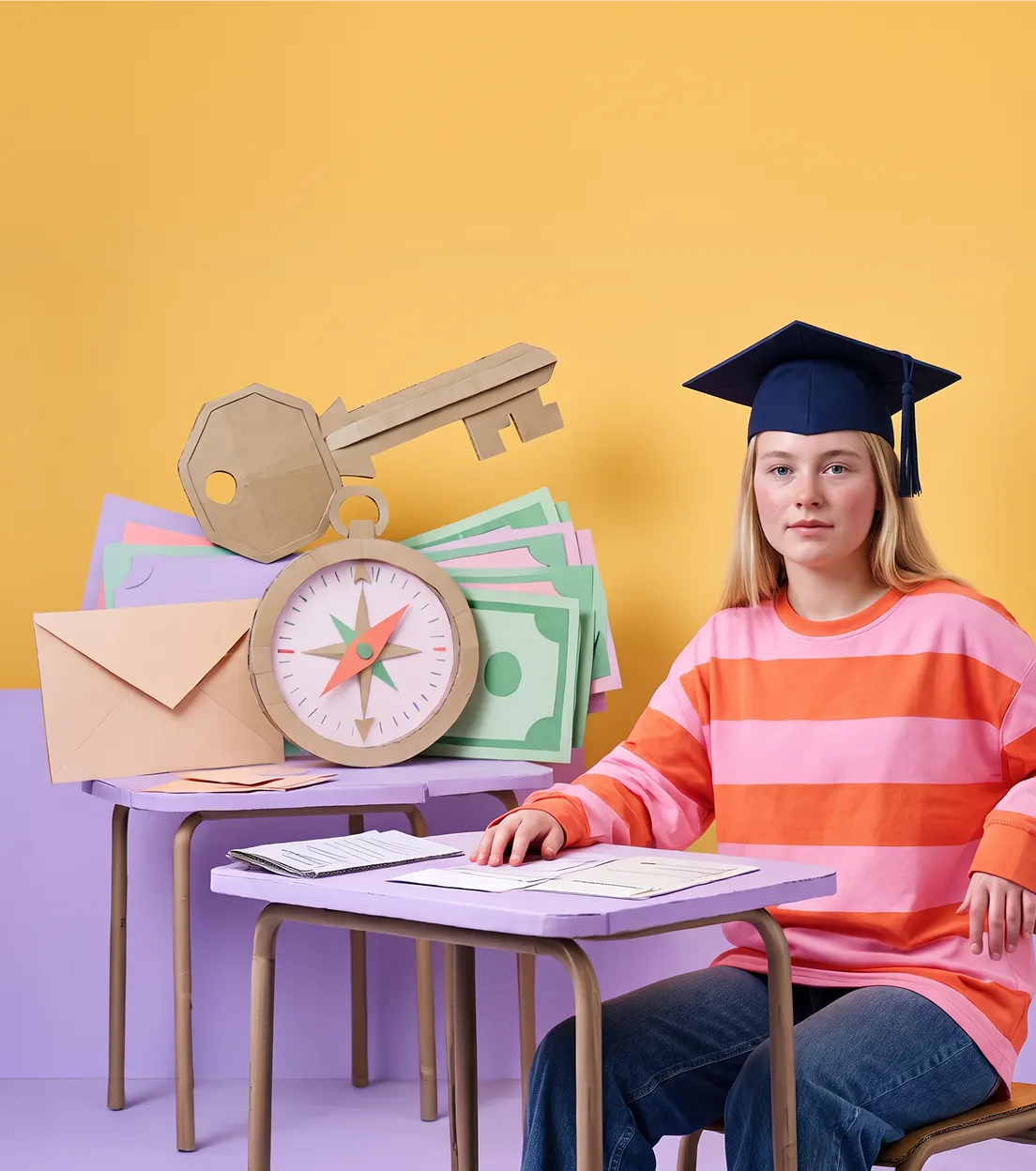
A student in a graduation cap sitting at a desk among paper keys, money and documents

70%

of parents are satisfied with their child’s education

45%

say it prepares their child for life

1. Readiness

Satisfaction is not the same as readiness

Where parents think school prepares children for life

% of parents who say school prepares their child for life outside school

  • AVG45%
  • AT36%
  • DE47%
  • ES44%
  • FR39%
  • IT41%
  • UK66%

36% of teachers and 26% of parents say children are not prepared for life outside school.

2. Curriculum

Students want to learn AI, but parents and teachers disagree

While young people want the skills to navigate a rapidly changing world, parents and teachers put more weight on skills that keep children safe and self-sufficient.

Children walking up cardboard stairs towards a bank of computer screens

What each group wants added to the curriculum

Top three subjects, % choosing each. AI and machine learning in bold.

Students

  1. 1.AI and machine learning33%
  2. 2.Technology development30%
  3. 3.Cybersecurity29%

Parents

  1. 1.Cybersecurity37%
  2. 2.Financial planning37%
  3. 3.AI and machine learning33%

Teachers

  1. 1.Financial planning40%
  2. 2.AI and machine learning38%
  3. 3.Ethics and morality35%

Religious education tops every group’s list of subjects to drop: 27% of students aged 14 to 16, 22% of parents and 23% of teachers.

3. Skills

Critical thinking is the most important skill for the future

Where critical thinking reigns

% of teachers ranking it the most valuable future skill

  • AVG: 43%
  • AT: 48%
  • DE: 50%
  • ES: 46%
  • FR: 44%
  • IT: 40%
  • UK: 32%

26%

of students rank problem solving first instead

45%

of teachers now help students deal with misinformation

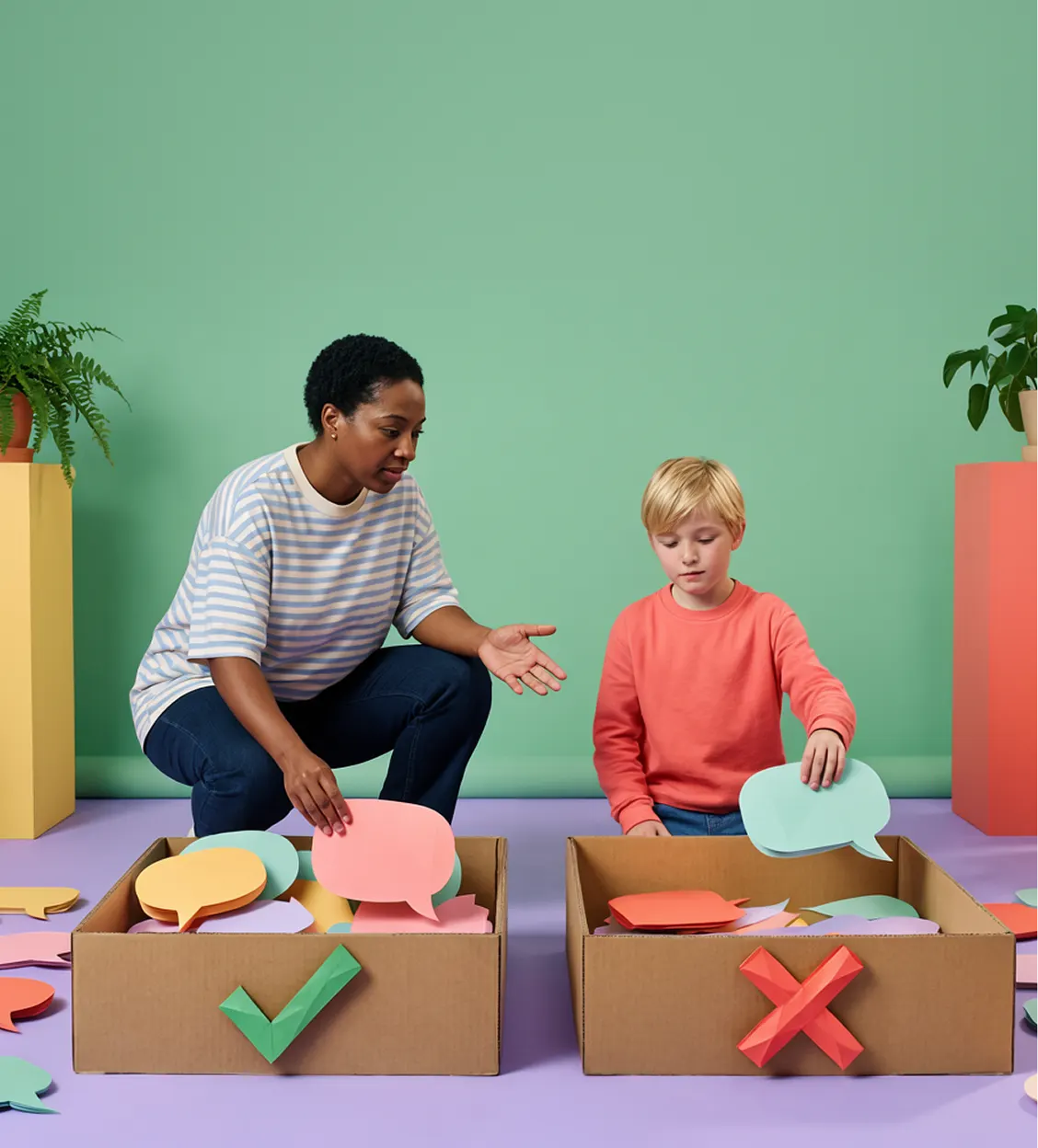
A teacher and a child sorting paper speech bubbles into boxes marked with a tick and a cross

43%

of teachers rank critical thinking the most valuable future skill

36%

of parents agree

A teacher and a student tending a paper plant beneath a paper heart

4. Teachers

Most teachers now say their main job is to mentor wellbeing

62%

say their main role is guiding students as people

21%

say it is teaching their subject

76%

see more mental-health issues than 5 years ago

96% in Germany

Where teachers want AI’s help

% of teachers reporting it

Worksheets & quizzes
42%
Reports and timetabling
39%
Lesson planning
33%

Just 1% think AI could replace teachers entirely, down from 10% last year.

5. After School

Europe is split on whether university is the best route

Where university is first choice

% of parents who see university as the best route

  • AVG48%
  • AT34%
  • DE38%
  • ES62%
  • FR43%
  • IT62%
  • UK47%

42%

of Austrian parents choose apprenticeships, against 34% for university

15%

of Spanish parents put apprenticeships first

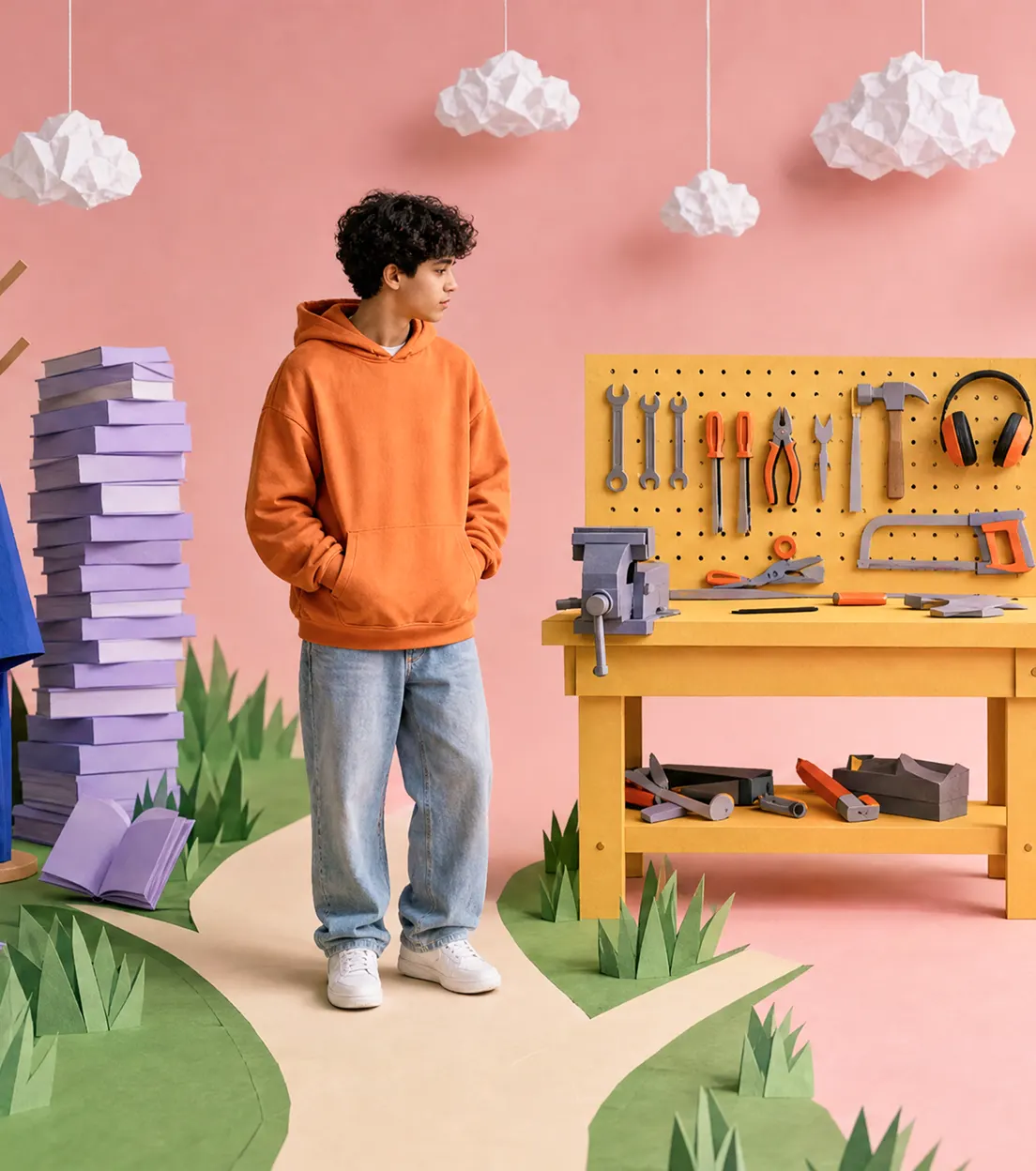
A teenager standing between a graduation gown and a workbench of tools

48%

of parents still see university as the best route

End of the chapter summary. Download the full report to obtain more details.

Download full report
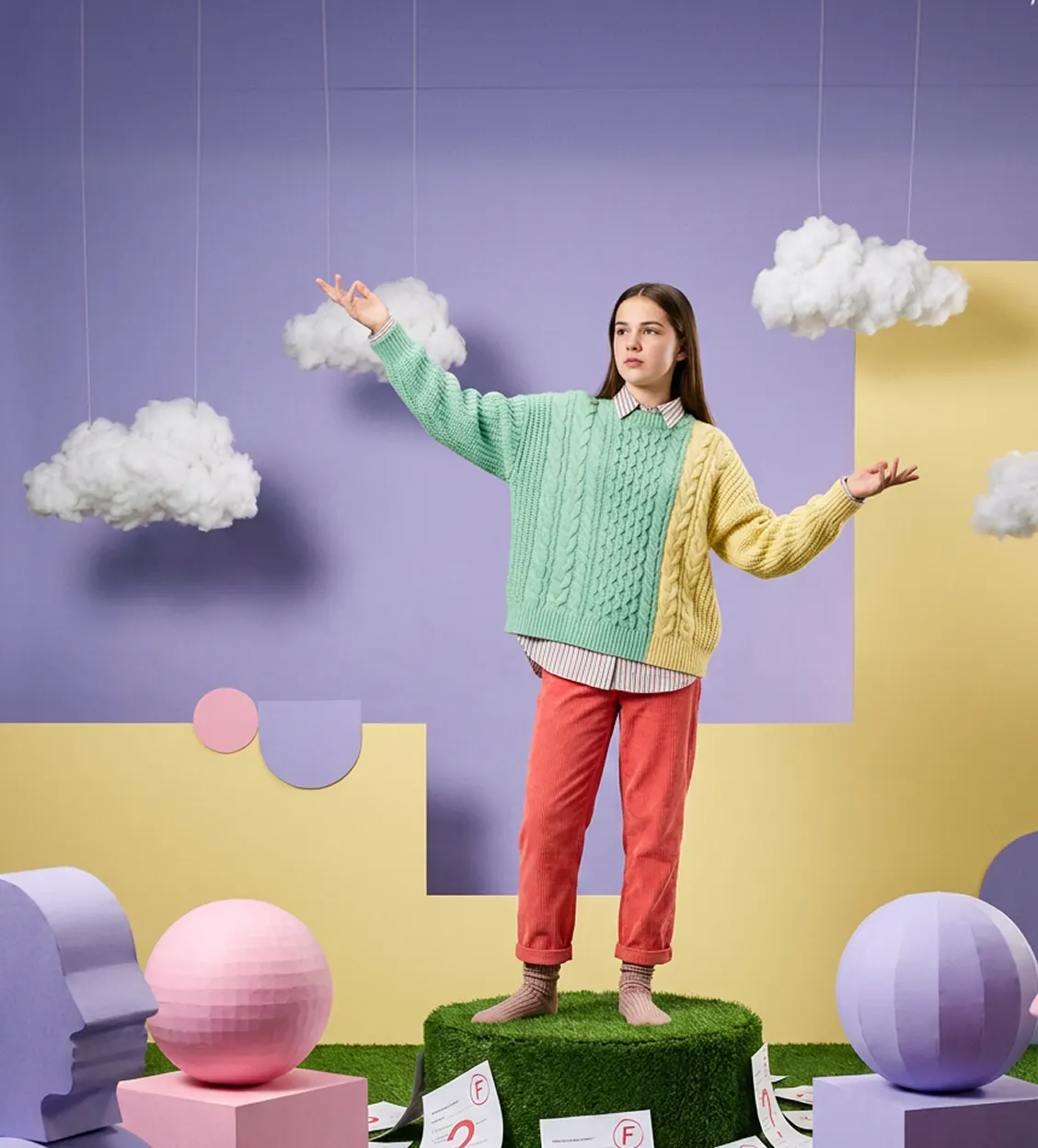
A student standing on a grassy podium among paper clouds and exam papers

The School of the Future

The future of education is bright

Enthusiasm for learning and teaching has never been higher.

1. Readiness

Satisfaction is not the same as readiness

A student in a graduation cap sitting at a desk among paper keys, money and documents

70%

of parents are satisfied with their child’s education

45%

say school prepares their child for life

Where parents think school prepares children for life

% of parents

  • AVG: 45%
  • AT: 36%
  • DE: 47%
  • ES: 44%
  • FR: 39%
  • IT: 41%
  • UK: 66%

36% of teachers and 26% of parents say children are not prepared for life outside school.

2. Curriculum

Students want to learn AI, but parents and teachers disagree

Children walking up cardboard stairs towards a bank of computer screens

33%

of students put AI and machine learning first

37%

of parents put cybersecurity first, level with financial planning

40%

of teachers put financial planning first

Where AI and machine learning ranks

% choosing it, and its rank in each group’s list

Students (1st)
33%
Parents (3rd)
33%
Teachers (2nd)
38%

Religious education tops every group’s list of subjects to drop: 27% of students aged 14 to 16, 22% of parents and 23% of teachers.

3. Skills

Critical thinking is the most important skill for the future

43%

of teachers rank critical thinking the most valuable future skill

36%

of parents agree

Where critical thinking reigns

% of teachers ranking it the most valuable future skill

  • AVG: 43%
  • AT: 48%
  • DE: 50%
  • ES: 46%
  • FR: 44%
  • IT: 40%
  • UK: 32%

26% of students rank problem solving first instead. 45% of teachers now help students deal with misinformation.

A teacher and a child sorting paper speech bubbles into boxes marked with a tick and a cross

4. Teachers

Most teachers now say their main job is to mentor wellbeing

A teacher and a student tending a paper plant beneath a paper heart

62%

say their main role is guiding students as people

21%

say it is teaching their subject

76%

see more mental-health issues than 5 years ago

96% in Germany

Where teachers want AI’s help

% of teachers reporting it

Worksheets & quizzes
42%
Reports and timetabling
39%
Lesson planning
33%

Just 1% think AI could replace teachers entirely, down from 10% last year.

5. After School

Europe is split on whether university is the best route

A teenager standing between a graduation gown and a workbench of tools

Where university is first choice

% of parents who see university as the best route

  • AVG: 48%
  • AT: 34%
  • DE: 38%
  • ES: 62%
  • FR: 43%
  • IT: 62%
  • UK: 47%

42%

of Austrian parents choose apprenticeships, against 34% for university

15%

of Spanish parents put apprenticeships first

End of the chapter summary. Download the full report to obtain more details.

A student standing on a grassy podium among paper clouds and exam papers

The School of the Future

The future of education is bright

Enthusiasm for learning and teaching has never been higher.

Download the report

Swipe to explore key findings

About GoStudent

Support that works alongside school

GoStudent pairs children with expert tutors for personalised one-on-one lessons. Our tutoring works alongside schools to reinforce learning and build confidence. AI tools such as Lesson Summaries and Magic Quiz help students revisit what they learned and see where they need more support.

Felix OhswaldCEO and co-founder, GoStudent

“Generation Alpha are ready to take on a changing world.”

“Teachers, parents and students hope for change, with many disappointed with the way traditional subjects are taught, and hopeful for a curriculum that drives practical subjects such as AI use, or financial planning.”

Support that grows with your child

Meet an expert tutor in a free trial lesson and see how personalised one-on-one support can work alongside school.